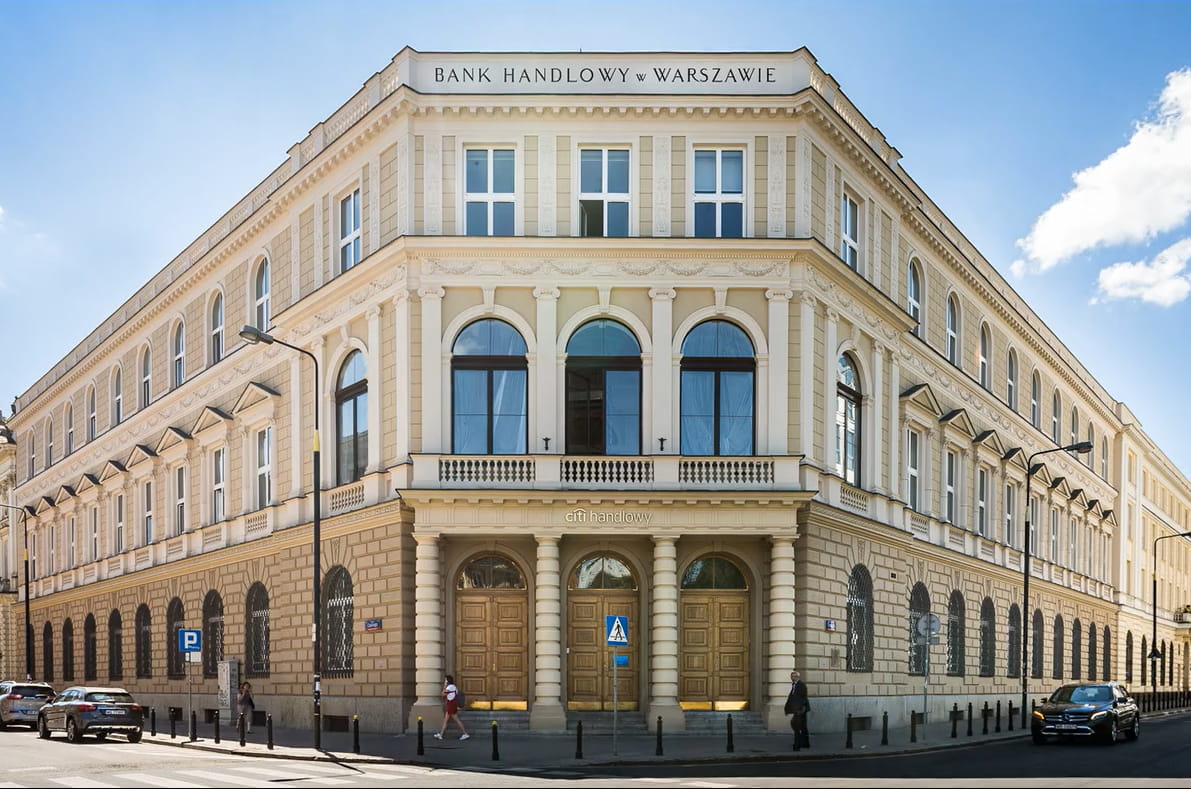
History
-
1870-1914 Our Beginnings
-
July 15, 1870
Bank Handlowy w Warszawie
Bank Handlowy, founded in 1870 on the initiative of a group of investors led by Leopold Kronenberg, is the oldest commercial bank in Poland and one of the longest continuously operating in Europe. The first chairman of the Bank's Council was Count Józef Zamoyski, who was replaced after two years by Leopold Kronenberg.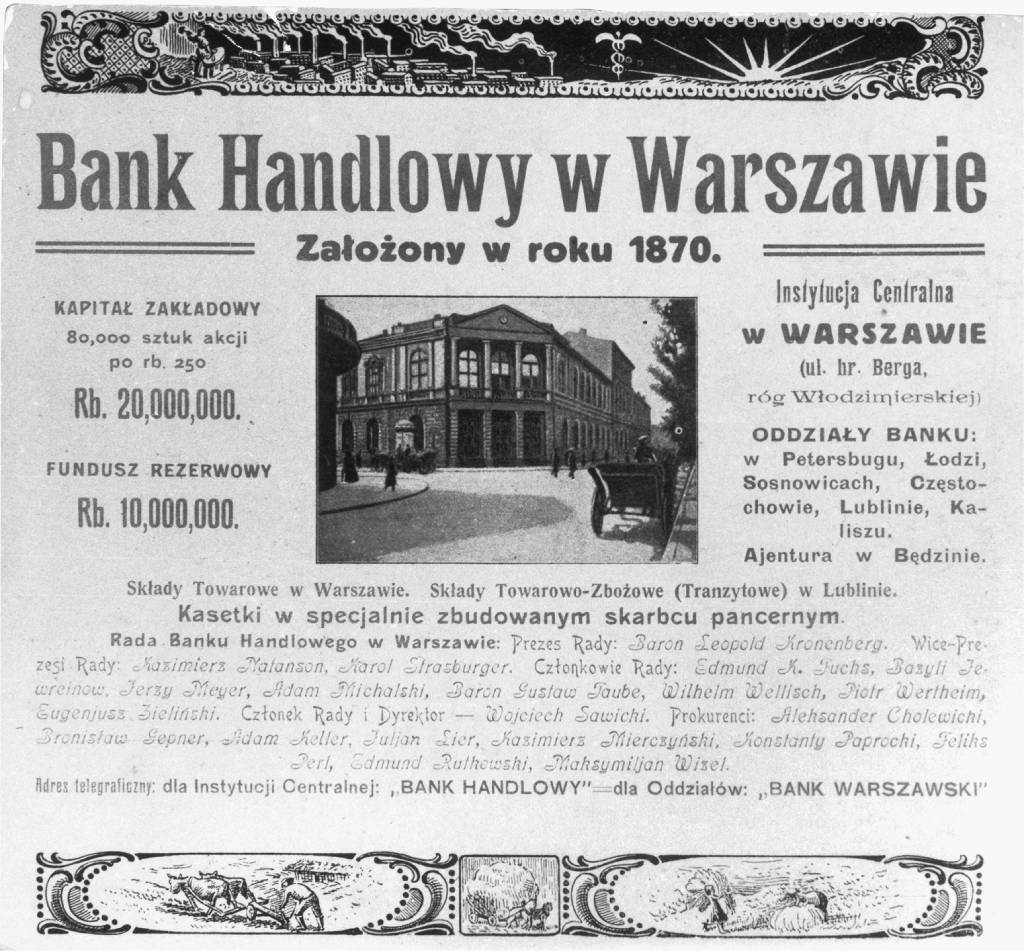
-
1880
Financing of the Warsaw-Vienna Railway
In the 19th century, the bank supported the development of industry on Polish lands.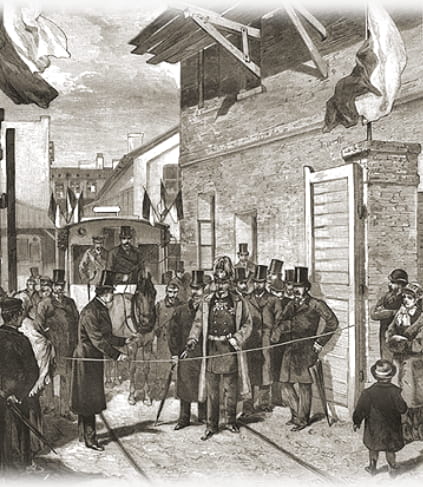
-
1898
Adam Mickiewicz Monument
Bank Handlowy co-financed the construction of the Adam Mickiewicz monument in Warsaw, unveiled on December 24, 1898.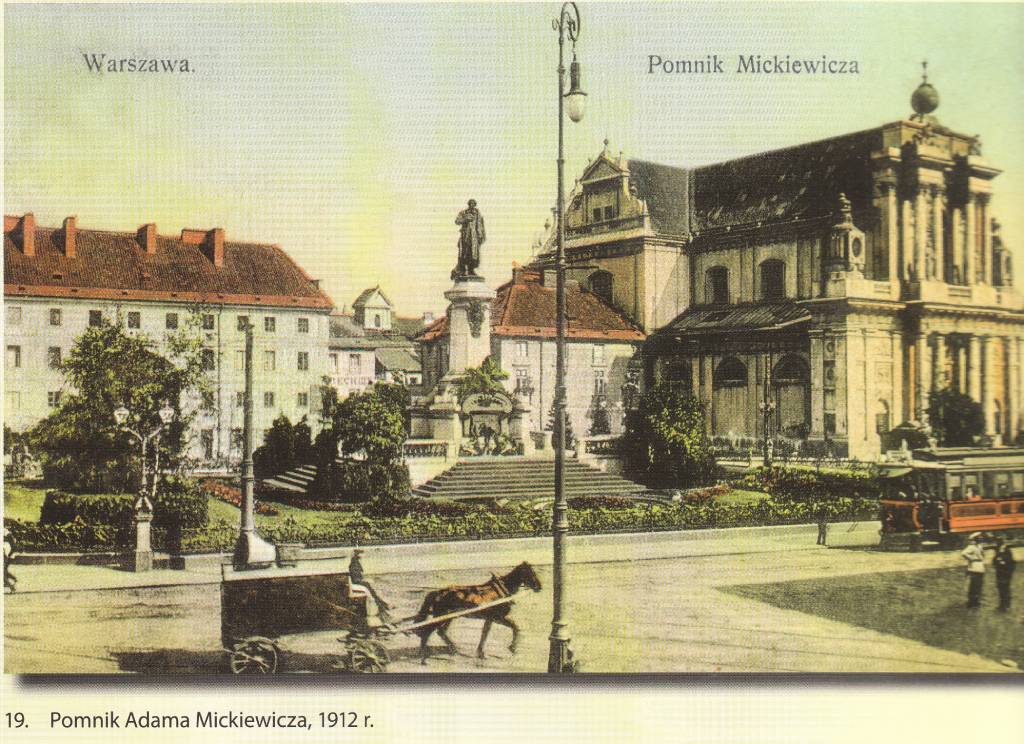
-
1901
Leopold Kronenberg was the initiator of the construction of the National Philharmonic
Bank Handlowy as an organizer and donor - the opening of the National Philharmonic.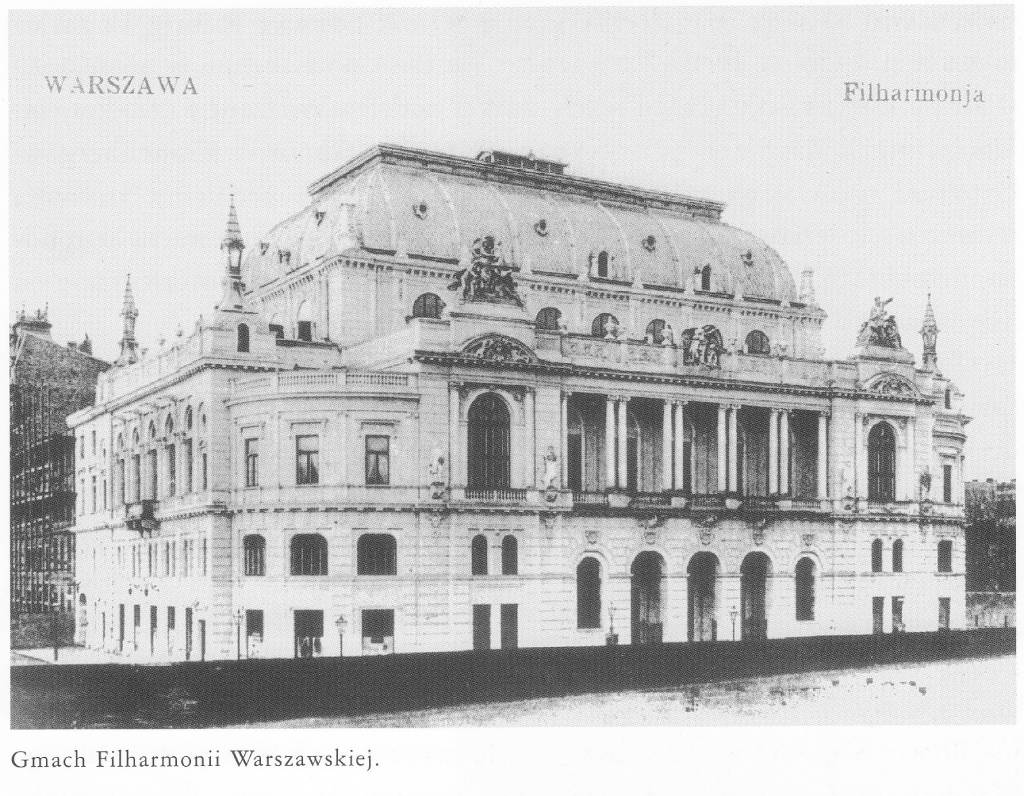
-
-
1914-1945 Interwar Period
-
1914
Outbreak of War
Before the outbreak of World War I, Bank Handlowy was the largest private bank in the Polish lands and one of the few providing financial services for trade with Europe. It continued its operations during the war. -
1920
End of World War I
After the World War I and due to the consequences of the Russian Revolution, Bank Handlowy lost its branches in the territories of the Russian Empire, and Russian securities lost all value. Rising inflation and the loss of a large part of its own capital put the bank in a difficult situation. Plans for rebuilding the country, the economy, and trade required obtaining new own funds and foreign loans. -
1945
World War II
As a result of the war, the bank's losses were enormous. During the Warsaw Uprising in 1944, the bank's building complex was burned down, and the surviving assets did not cover the liabilities.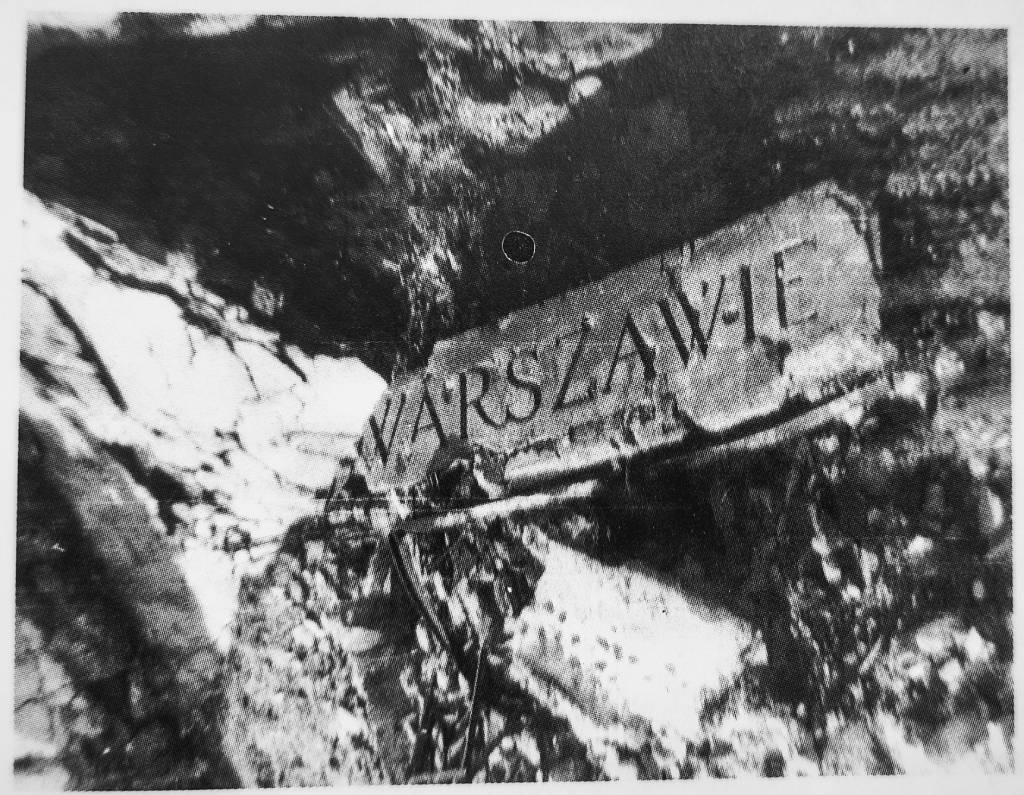
-
-
1946-1989 Nationalization of the Bank
-
1946
Reconstruction
After the war, the bank remained a joint-stock company, and the determination of its employees allowed for the systematic resumption of operations throughout Poland. Over time, it also became the main domestic correspondent for foreign banks. -
1963
Function as a Foreign Trade Bank
In 1964, the bank officially obtained a monopoly on handling transactions within Polish foreign trade. This led to the creation of the largest network of correspondent banks, the opening of a branch in London, as well as foreign representative offices in New York, Moscow, Belgrade, Rome, and Berlin, and affiliations in Vienna, Luxembourg, and Frankfurt.
-
-
1989-1999 Economic Transformations
-
1989
Turning Point
The year 1989, a turning point in Poland's economic history, also opened a new chapter in the history of Bank Handlowy. Although the bank lost its monopoly on handling foreign settlements, it gained greater freedom in offering a full range of banking services. The rapid expansion of the branch network and the development of new financial service areas contributed to a significant increase in the volume of operations both domestically and abroad. -
1991
Citibank (Poland)
Citibank (Poland) S.A. began operations in Poland.
-
1995
Bank Foundation
To promote and protect Poland's cultural heritage and to support education in finance and entrepreneurship, the Leopold Kronenberg Banking Foundation was established.
-
1997
Privatization of Bank Handlowy
After almost 60 years, Bank Handlowy w Warszawie returned to the Warsaw Stock Exchange.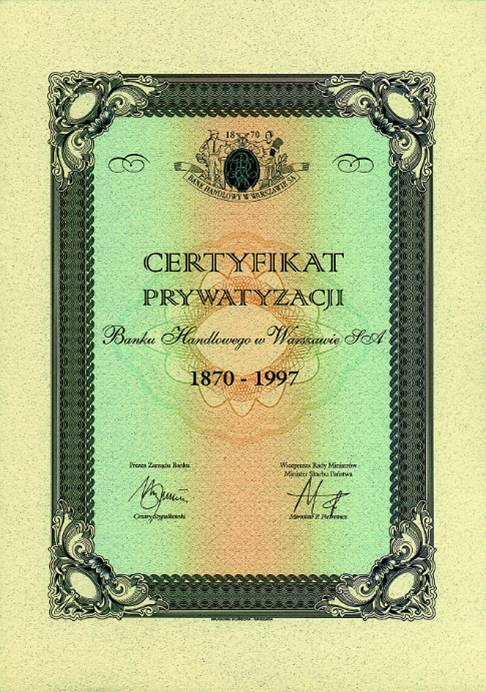
-
1997
The first credit card in Poland
In 1997, the bank issued the first accepted worldwide credit card in Poland.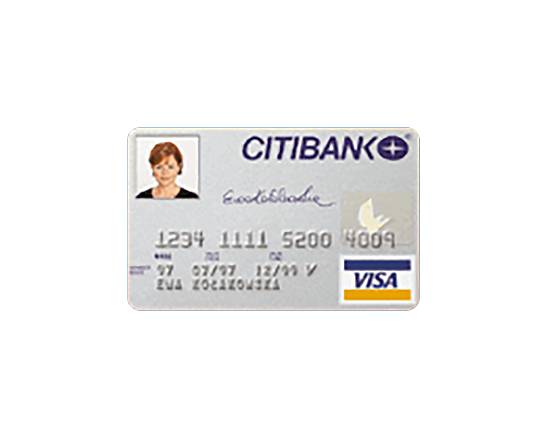
-
-
2000-2026 Bank Handlowy as part of Citigroup
-
2000
Organizational change
On the 130th anniversary of its activity, the bank opened a new chapter in its history by joining the global Citigroup network. The world's largest financial institution acquired a significant package of its shares, thus initiating the merger process of Bank Handlowy with Citibank (Poland) S.A. -
2001
Merger
On October 11, 2000, the Banking Supervision Commission approved the merger of Citibank (Poland) S.A. with Bank Handlowy. The merger of the two institutions took place in March 2001.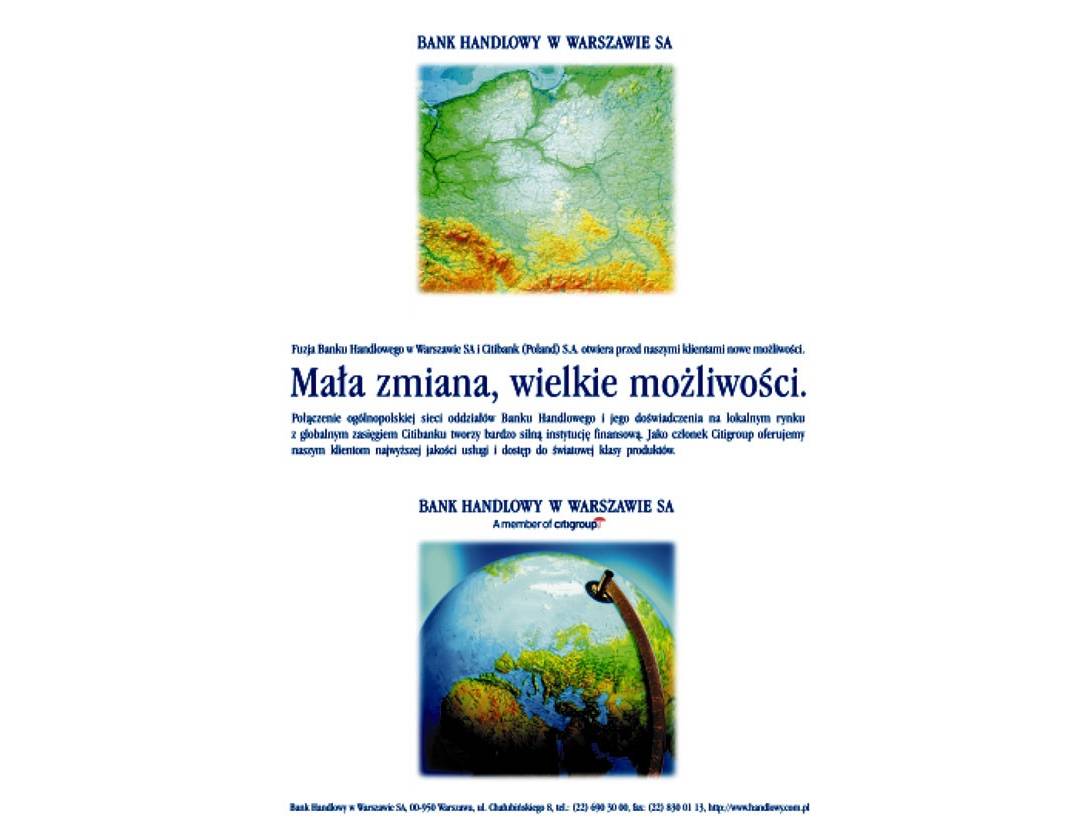
-
2001
Brokerage House
Establishment of the Bank Handlowy Brokerage House.
-
2003
Citibank Handlowy is created
In 2003, the bank underwent a rebranding, adopting the Citibank Handlowy brand. However, its legal name remained unchanged and is still: Bank Handlowy w Warszawie S.A.
-
2007
New logo of Bank Handlowy w Warszawie S.A. - Citi Handlowy
Today, Bank Handlowy w Warszawie S.A. is one of the leading financial institutions in Poland, which under the Citi Handlowy brand offers comprehensive and modern solutions for institutional and retail banking clients. Thanks to its membership in Citi, a leading global financial institution, Citi Handlowy's clients have access to financial services in over 90 countries.
-
2020
150 years of continuous operation
On its 150th anniversary, the bank initiated the "Forest Forever" project and planted a forest with a guarantee that it would never be cut down.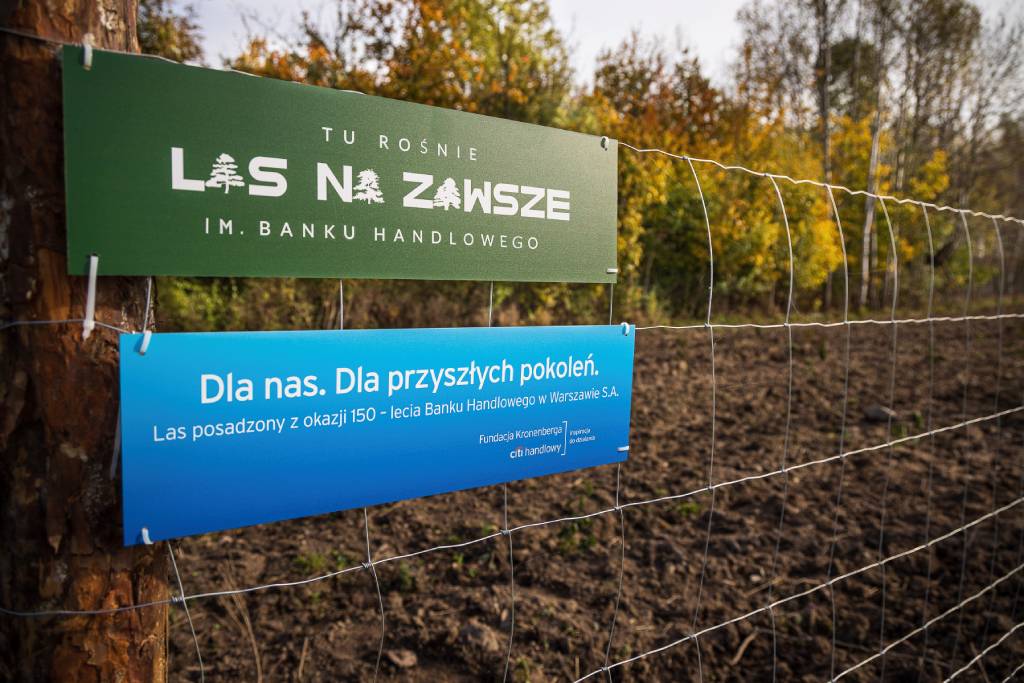
-
2024
Record dividends
Over PLN 1.4 billion in dividends paid out in July 2024 is historically the highest dividend from the Bank's regular profit and the highest dividend yield in the banking sector in Poland in 2024. -
2025
Citi Handlowy implements the strategy of a global business bank
The Bank announced a new strategy, according to which it wants to be the preeminent partner for companies with international needs and aspirations. As the most global bank in Poland, with 155 years of experience on the Polish market, it wants to support Poland's economic growth and development. The signed agreement for the sale of the retail banking business is a step towards implementing this strategy.
-